26 Oct 2026
Decoding App Navigation Patterns That Guide Transitions Between Bingo Warm-Ups and High-Stakes Blackjack Tables
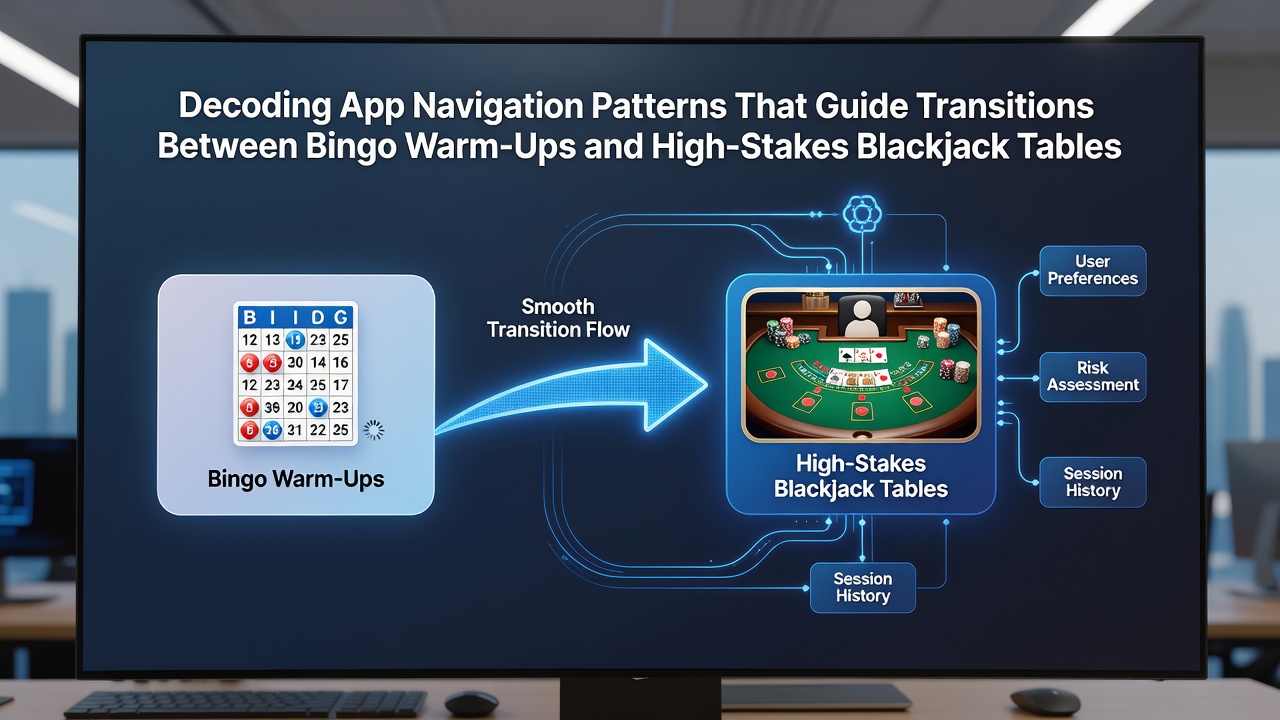
App developers structure navigation flows that move users from bingo sessions into blackjack environments through layered menu systems and progressive prompts, and these patterns rely on sequential button placements along with timed interstitials that appear after bingo rounds conclude. Data collected across multiple platforms shows that players encounter side panels or bottom tabs labeled with terms like "Next Game" or "Table Options" which expand into blackjack variants when tapped, and this design reduces the number of steps required to reach higher-stakes areas while maintaining continuity from the initial warm-up activity.
Core Elements of Transition Pathways
Navigation architectures incorporate breadcrumb trails that track progress from low-entry bingo rooms into blackjack lobbies, and these trails appear as horizontal progress bars or icon sequences that update in real time. Researchers at academic institutions tracking user behavior have documented how swipe gestures and swipe-up menus surface blackjack tables immediately after bingo results display, while embedded recommendation modules pull from player history to suggest specific table limits. Observers note that color-coded indicators shift from soft pastels in bingo sections to deeper tones once blackjack options load, and this visual cueing helps maintain session momentum without abrupt jumps between game types.
Platform analytics indicate that successful transitions often hinge on persistent floating action buttons that remain visible across screens, and these buttons trigger quick-switch overlays listing available blackjack stakes. In October 2026 figures released by the Nevada Gaming Control Board revealed increased engagement metrics tied to apps featuring such persistent controls, and the data linked these elements directly to higher rates of movement from casual bingo play into structured table games.
Data Patterns and User Flow Metrics
Studies conducted by research firms specializing in digital entertainment have mapped session logs that reveal average transition times between bingo exits and blackjack entries, and these logs show clusters around the thirty-second mark when navigation uses predictive loading. One study revealed that apps employing carousel selectors for game categories recorded elevated completion rates for shifts into high-stakes tables compared with static grid layouts, while heat-map visualizations highlighted thumb-reach zones near the lower-right screen corner as primary interaction points. Those who've examined aggregated telemetry across regions report that Canadian provincial regulators and Australian state oversight bodies have begun requesting similar flow data to evaluate player protection features embedded in these pathways.
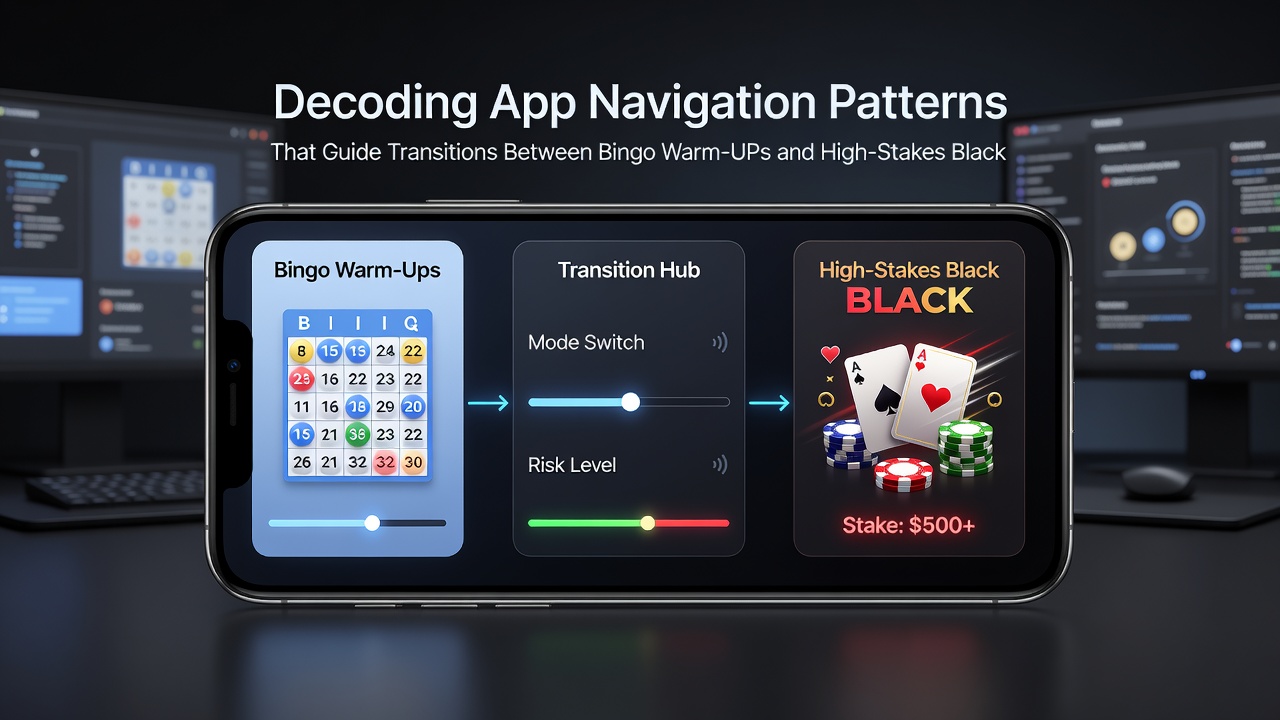
Industry reports from organizations such as the American Gaming Association compile cross-platform comparisons that quantify how many users complete the full sequence from bingo warm-up to blackjack participation within a single login, and the numbers demonstrate consistent patterns across both mobile and tablet formats. Additional metrics pulled from European regulatory filings outside the UK further illustrate that apps integrating tutorial overlays during the first transition achieve greater retention through subsequent sessions, and these overlays typically activate only after bingo cash-out screens appear.
Technical Implementation of Navigation Cues
Backend algorithms monitor dwell time in bingo areas before surfacing blackjack prompts, and developers adjust trigger thresholds based on aggregated performance data rather than fixed timers. Code-level implementations include event listeners that detect bingo round completions and then populate dynamic menus with blackjack room previews, while maintaining session state so that any in-progress bingo tickets remain accessible via a collapsible drawer. Observers have documented how A/B testing cycles refine the placement of confirmation modals that appear before high-stakes tables load, and these modals present stake ranges alongside quick-return links to bingo if users opt to defer the switch.
Geolocation filters applied within apps sometimes reorder navigation priority, placing blackjack tables higher in regions where regulatory frameworks permit faster access to table games following bingo activity. The International Association of Gaming Regulators has referenced these adaptive ordering systems in broader discussions of digital interface standards, noting their role in shaping orderly player movement across game categories.
Conclusion
App navigation patterns that connect bingo warm-ups to high-stakes blackjack tables depend on layered menus, persistent controls, and data-driven prompts that update according to session telemetry. Evidence from regulatory releases and industry analyses shows measurable effects on transition rates when these elements align with established user interaction zones. Continued monitoring by oversight bodies across multiple jurisdictions will likely shape further refinements to these flows as platforms evolve.