28 Sep 2026
Algorithmic Foundations of Chance in Digital Table Games
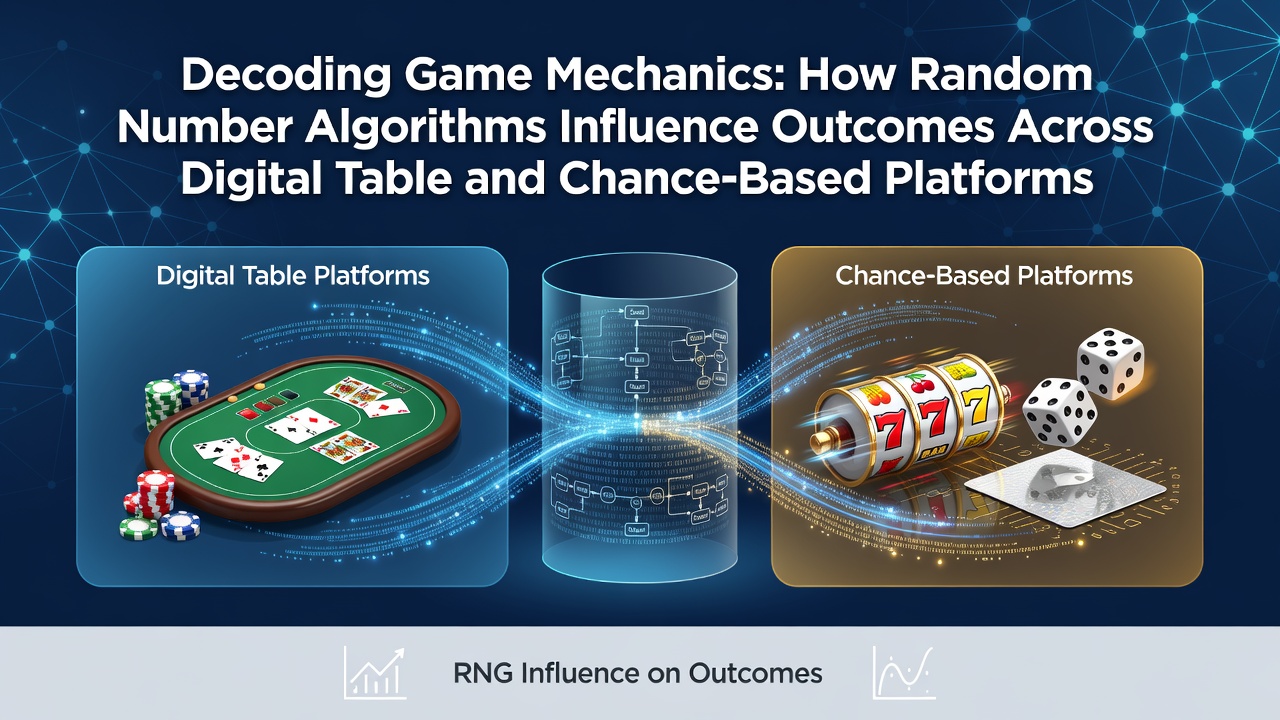
Random number algorithms form the core mechanism that determines results across digital table games and chance-based platforms, with pseudorandom number generators relying on mathematical formulas to produce sequences that mimic true randomness while true random number generators draw from physical entropy sources such as atmospheric noise or hardware oscillations. Experts observe that these systems operate continuously behind the scenes in virtual blackjack, roulette, and slot machines, ensuring each outcome remains independent from previous results and free from predictable patterns that players might otherwise exploit.
Core Mechanics of Pseudorandom Systems
Developers implement algorithms like the Mersenne Twister or linear congruential generators in most online platforms because they deliver high-speed output with extremely long periods before repetition occurs, and these methods seed initial values from system clocks or user inputs to create varied starting points. Research indicates that certified testing laboratories evaluate the statistical properties of these sequences against standards established by bodies such as the Nevada Gaming Control Board and the Australian Communications and Media Authority, confirming uniform distribution across possible outcomes while eliminating detectable biases in long-run simulations.
Platform operators integrate these generators into game engines so that every card dealt in digital blackjack or every wheel spin in virtual roulette draws from the current position in the algorithm sequence, and this process happens thousands of times per second even when no player interacts with the interface. Data from independent audits shows that modern implementations pass rigorous chi-square and runs tests, demonstrating that deviations from expected probabilities fall within acceptable margins across millions of simulated rounds.
Hardware-Based True Random Generation
Certain jurisdictions and premium operators now incorporate hardware random number generators that harvest entropy from quantum effects or thermal fluctuations, producing outputs that cannot be replicated even when the initial conditions are known. Observers note that these systems appear more frequently in regulated markets following updates to compliance frameworks during September 2026, when several international testing agencies expanded their evaluation criteria to include entropy source validation alongside traditional statistical checks.
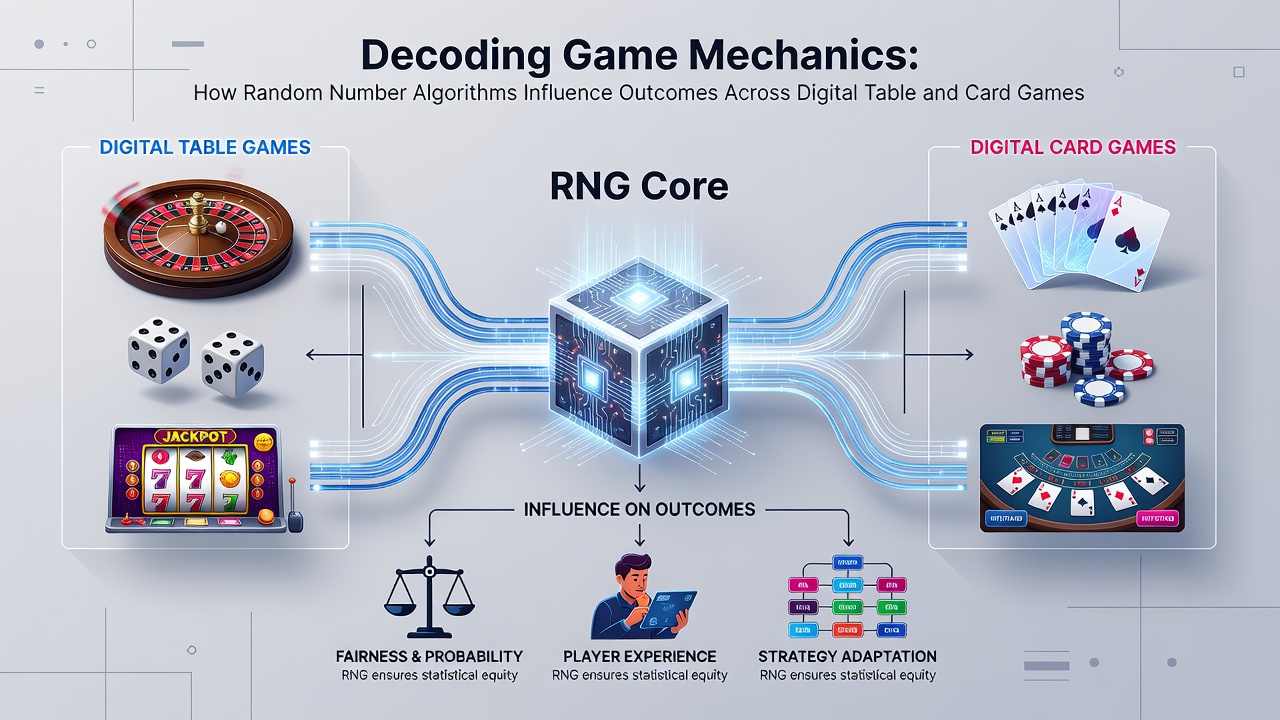
Integration of true RNG hardware requires additional infrastructure costs yet delivers measurable improvements in unpredictability metrics according to studies published by research institutions in Canada and the European Union. Game outcomes influenced by such systems maintain the same mathematical return-to-player percentages as their pseudorandom counterparts, although the underlying generation method eliminates any theoretical vulnerability to seed prediction attacks that could arise in poorly implemented software solutions.
Impact on Specific Game Categories
In digital roulette the algorithm selects a number between zero and thirty-six for each spin cycle, with the virtual wheel animation serving only as a visual representation that players observe while the result has already been determined milliseconds earlier. Blackjack platforms use the same generator to shuffle virtual decks or deal individual cards, ensuring that the probability of drawing any particular card remains constant regardless of previous hands played during a session. Chance-based platforms such as video slots map algorithm outputs to reel positions or symbol combinations through weighted tables that control frequency of wins and bonus triggers, and independent verification confirms these mappings align precisely with published payout percentages.
Regulatory frameworks across multiple regions require operators to submit generator source code and test results before licensing approval, while ongoing monitoring programs detect any drift or malfunction that might alter expected probabilities over time. Figures released by gaming associations indicate that platforms using certified RNG solutions experience dispute rates below industry averages, reflecting player confidence in the fairness mechanisms that govern results.
Conclusion
Random number algorithms continue to evolve alongside advances in computing hardware and regulatory expectations, maintaining the integrity of outcomes across digital table and chance-based platforms through continuous testing and certification processes. Those who study these systems recognize that both pseudorandom and hardware-based approaches deliver statistically reliable results when properly implemented and audited by recognized laboratories operating under diverse international standards.